- A 2026 study in Personality and Social Psychology Bulletin, reported in October, links shared mental load to how satisfied people are in their relationship.
- In the first study, mental load predicted relationship satisfaction more strongly than physical housework did.
- The effects were modest and the data can't show cause and effect, so treat it as a prompt for a conversation, not a verdict.
- A ten-minute "who's holding what" talk is a good place to start.
It's 7:40pm. Dinner's done, the dishwasher is humming, and one of you is on the couch with a phone. The other is standing at the bench thinking about Thursday's school form, whether there's milk for the morning, and the present you still need for your partner's sister. Nobody is arguing. One of you is just tired in a way a sit-down doesn't fix.
That tiredness has a name, and it's mental load in a relationship: the planning, remembering and noticing that sits behind the actual chores. A 2026 study, reported by PsyPost on 9 October, puts numbers on it, with a few warnings about how far those numbers go.
What the new study found about mental load in a relationship
Verena Klein, Esra Ascigil, Tanja Oschatz and Rotem Kahalon published "Unequal Burdens, Unequal Benefits" in Personality and Social Psychology Bulletin in 2026. It had two parts.
In the first, 452 women in the UK who lived with a male partner filled out a survey that included a 17-item mental load scale the team built for this project. Women who said their partner shared more of the mental load reported higher relationship satisfaction and higher sexual satisfaction. Mental load predicted their satisfaction more strongly than physical housework did.
The second part surveyed 156 cohabiting couples in the UK and the US, with both partners answering. Both people in the couple agreed that the woman carried more of the mental load. The women's satisfaction peaked when the load was shared equally. The men's relationship satisfaction was higher when their female partners carried more of it.
Someone can be happy in an arrangement without noticing what it costs the other person. Klein told PsyPost she'd be careful about reading that as a conscious preference.
What this study can't show
The associations were small. The correlations in the first study were 0.24 for relationship satisfaction and 0.15 for sexual satisfaction. Both studies were cross-sectional, a snapshot, so they can't say whether sharing the load makes people happier or whether happier couples simply share better. Everyone in the sample was in a heterosexual relationship, and the mental load scale is new, so some researchers outside the team have asked whether it measures mental load or something closer to feeling supported by your partner.
So this study doesn't prove who's to blame in your home, and it doesn't say your relationship is in trouble. What it gives you is a reason to look at a part of the week that usually goes unspoken.
How to talk about mental load without it becoming a fight
Mental load is hard to raise because the person carrying it can't point at one thing. It's a hundred small decisions, and the other person often can't see them. Klein's advice is simple:
The first step is simply making mental load visible.
— Verena Klein, lead author, 2026
Here's a way to do that in about ten minutes, on a night you're both fed and not already annoyed.
Write the list. Each of you writes down everything you can think of that keeps the household running, from the school form to the birthday present to the bin night. Leave out who does it for now.
Mark who notices. For each item, mark the person who usually notices it needs doing, which is a different mark from who does it. You'll likely find items that one of you does but the other has to prompt.
Pick two to hand over completely. Hand over the whole task: noticing, planning and doing. If your partner takes over the dentist, they book it, remember it and live with the consequences. A reminder from you is just you holding the task a bit further away.
If it's turned into resentment
If this conversation has already been had, and had badly, a few times, it may have become about feeling alone in the day-to-day. That can come from either side. The person who holds the list can feel unseen, and the person who's been told they're not helping can feel they can't do anything right. Both of those are lonely places to be, and both are common.
Try starting with what you want, not with what the other person hasn't done. "I'd like us to get to the end of the day with some energy left for each other" lands differently than "you never think about anything." If you've circled this several times, a couples counsellor can be a useful third voice. I also wrote about emotional labour earlier this year, if you want more on the pattern.
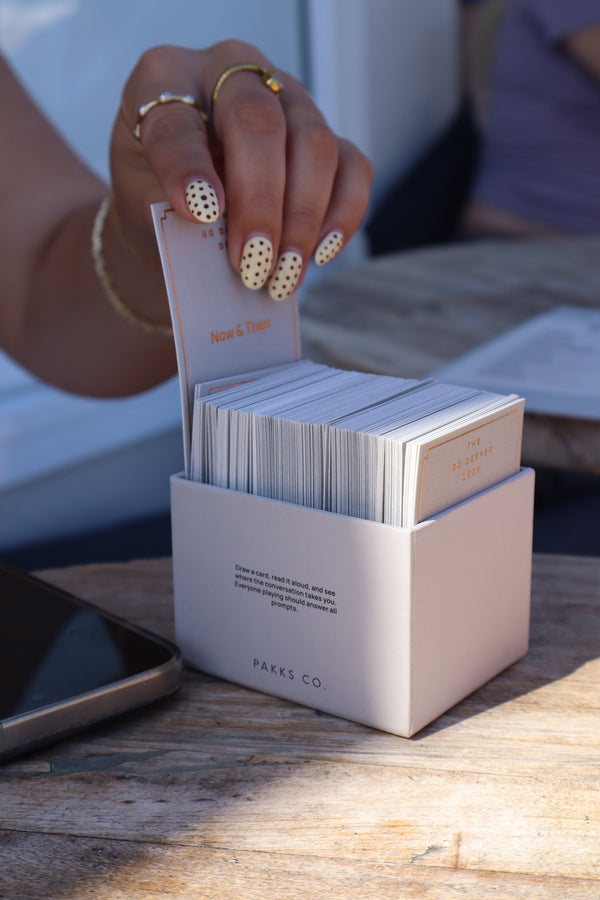
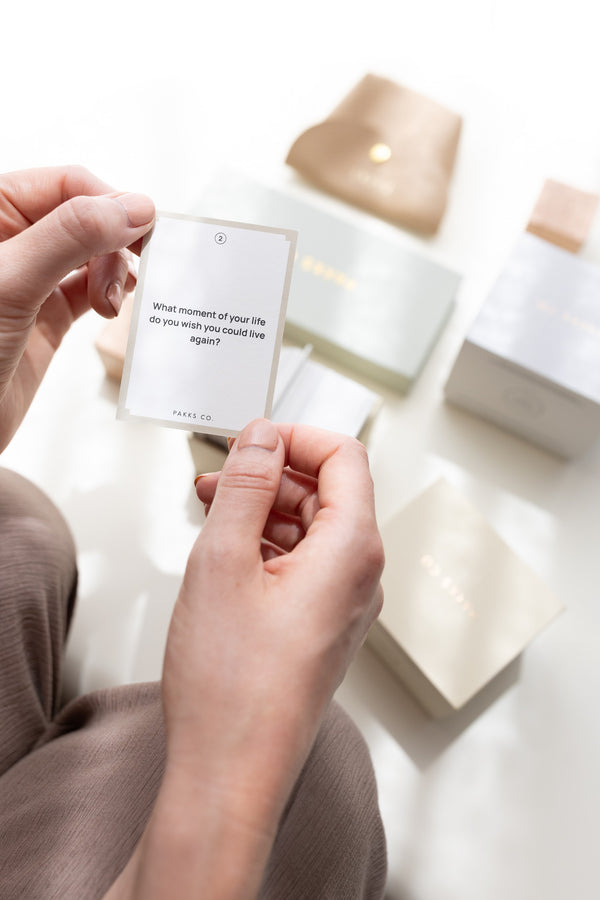
Once the list is lighter, there's room for the other stuff. I make the Reconnect Deck for couples who've gone a bit quiet on each other: 150 questions in 3 categories, backed by psychology and research.
Frequently asked questions
It's the planning, remembering and noticing behind household tasks, like knowing the milk is low or a form is due. The 2026 study measured it separately from physical housework.
In the new study, women who reported more shared mental load also reported higher relationship satisfaction. The link was modest, and the data can't show that sharing the load causes the happiness.
Choose a calm time, write down everything that keeps the household running, and mark who usually notices each item. Then hand over two tasks completely and let the new owner do them their way.
No. The new study only sampled heterosexual couples, so it can't say how mental load works in other relationships. The conversation is useful for any couple where one person ends up holding most of the list.