What to talk about on a long drive with your partner: 12 prompts by stretch

It's 6:10am and you're three hours into a six-hour drive. The coffee's gone cold in the cup holder, the playlist has looped once, and the last thing either of you said was "want the window down?" If you're searching for what to talk about on a long drive with your partner, this is the stretch you're in. The excitement of leaving has worn off and there are still three hours to go.
What to talk about on a long drive with your partner
Most guides hand you a list of 40 or 50 questions and wish you luck. Lists are fine, but they skip the part that decides whether the conversation works: a drive has a shape, and what suits hour one doesn't suit hour five.
In the first hour you're both still waking up, so you want easy things. By the middle you've settled into the seat and you can go somewhere bigger. In the last stretch you're tired, the destination is close, and looking ahead feels natural. Match the topic to the stretch and the whole drive feels like a conversation, not a quiz.
Keep to a handful of prompts per stretch. That's all you need. One good question can fill forty minutes of highway if neither of you rushes to the next one.
Why a car is such a good place to talk
You're side by side, facing the same direction, with something else to look at. Nobody has to hold eye contact while they find the words, and nobody can wander off to the kitchen when the conversation gets a bit tender. That makes it easier to say things you'd stall on at the dinner table.
The same setup works against you if the conversation turns into an interrogation. A car is also hard to leave. If a topic gets heated at 110 km/h, you can't take a walk around the block. So the aim is curious, not cross-examining, and the later sections cover how to keep it that way.
The first hour: light and easy
You're warming up. Pick prompts that ask for a story, since stories need no effort and make you both laugh.
- What's the best meal you've ever had on a trip, and who was there?
- What's a smell that takes you straight back to being ten years old?
- If we had a free Saturday and no budget limit, what would we actually do with it?
- What did you want to be when you were small, and how far off did you land?
None of these need a serious answer, and that's the point. You're finding the rhythm of talking again, and you'll probably learn something small you didn't know.
The middle stretch: go a bit deeper
This is where the drive earns its keep. You've been in the car long enough to stop performing. The road is long and straight, and the bigger topics have room.
- What's something you're proud of this year that you haven't told many people about?
- When did you last feel really close to me, and what were we doing?
- What's one thing you'd like us to do more of, and one thing we could do less of?
- Which of your friends' lives do you secretly envy a little, and why?
Question six is the one to handle with care. The answer might be a small moment, like a Tuesday night on the couch with a bad movie on. Let it be small. Don't turn it into a review of the relationship, and don't say "so what about the other 300 days?" Just say thanks, and ask what made that night work.
When someone goes quiet
A pause of a few kilometres is normal. If your partner needs a minute with a question, give them the minute, and if they say "pass," take it as a real answer. Come back to the question at the next fuel stop if you still want to hear it.
The last stretch: look ahead
You're tired, you can see the first signs for the town, and the conversation naturally turns to what's next. Use that.
- What's one place you'd like us to drive to next year?
- What would a really good ordinary week look like for us in five years?
- What's one thing from this trip you'd like to keep doing once we're home?
- What are you most looking forward to in the next three days?
Question eleven is the one to save for last. It takes a drive that would otherwise be forgotten by Tuesday and turns it into one small habit you both agreed on. Write it in the notes app at the next stop so it survives the unpacking.
Rules that stop it feeling like an interview
A few habits make the difference between a good conversation and twenty questions with the radio off.
The driver's job is to drive. The passenger asks, the driver answers when it feels natural, and anything that needs real concentration waits for a stop. If the road gets busy, a roundabout or heavy rain, the conversation pauses and no one is offended.
Answer your own question too. If you ask "what are you proud of this year," have your answer ready, so your partner isn't the only one being looked at.
Ask a follow-up before you move on. "What was that like?" and "tell me more about that" do more than a fresh question does. Swap the order on the way back: whoever asked on the way there answers first.
Leave gaps. Some of the best stretches of a long drive are twenty minutes of nobody talking and a hand on the gear stick or the knee. If you feel the urge to fill every silence, the drive turns into a job.
If the conversation gets tense
It might. You're tired, someone's hungry, and an innocent question lands on a sore spot. The fix is boring and it works: say "I think this one needs a stop," and mean it. Pull in at the next service centre, get out of the car, stretch your legs and finish the conversation standing up with a drink in your hand. Ten minutes on your feet, away from the seatbelt and the speedometer, usually changes the tone more than anything you could say from the driver's seat.
If it still feels heavy afterwards, that's useful information too. Write down the topic and come back to it at home, on a day when nobody is watching the fuel gauge.
If you'd like the questions written for you
I make the Go Deeper Deck, which has 150 questions in 3 categories and is backed by psychology and research. A lot of couples keep one in the glovebox for exactly this. The passenger pulls a card, reads it out, and the driver answers. If you'd like the full range of conversation starters before you buy anything, our guide to conversation starters for couples is free.
Frequently asked questions
Start with stories, like a favourite meal or a childhood smell, then move to bigger topics such as what you're proud of this year, and finish by looking ahead to the next trip. Matching the topic to the stretch of the drive keeps it feeling natural.
Silence on a long drive is normal and often comfortable. If you want a fresh topic, ask a follow-up to something your partner said an hour ago, or point out something you can see out the window and ask what it reminds them of.
Keep the driver's attention on the road. Save anything emotionally heavy or heated for a stop, and have the passenger lead the questions. If traffic or weather gets demanding, pause the conversation and pick it up later.
Put the phones away for the first twenty minutes, agree on a few prompts per stretch, and swap who asks on the way back. Taking turns at the wheel and stopping for something unplanned also helps.
Keep the conversation going
Choose your Pakk
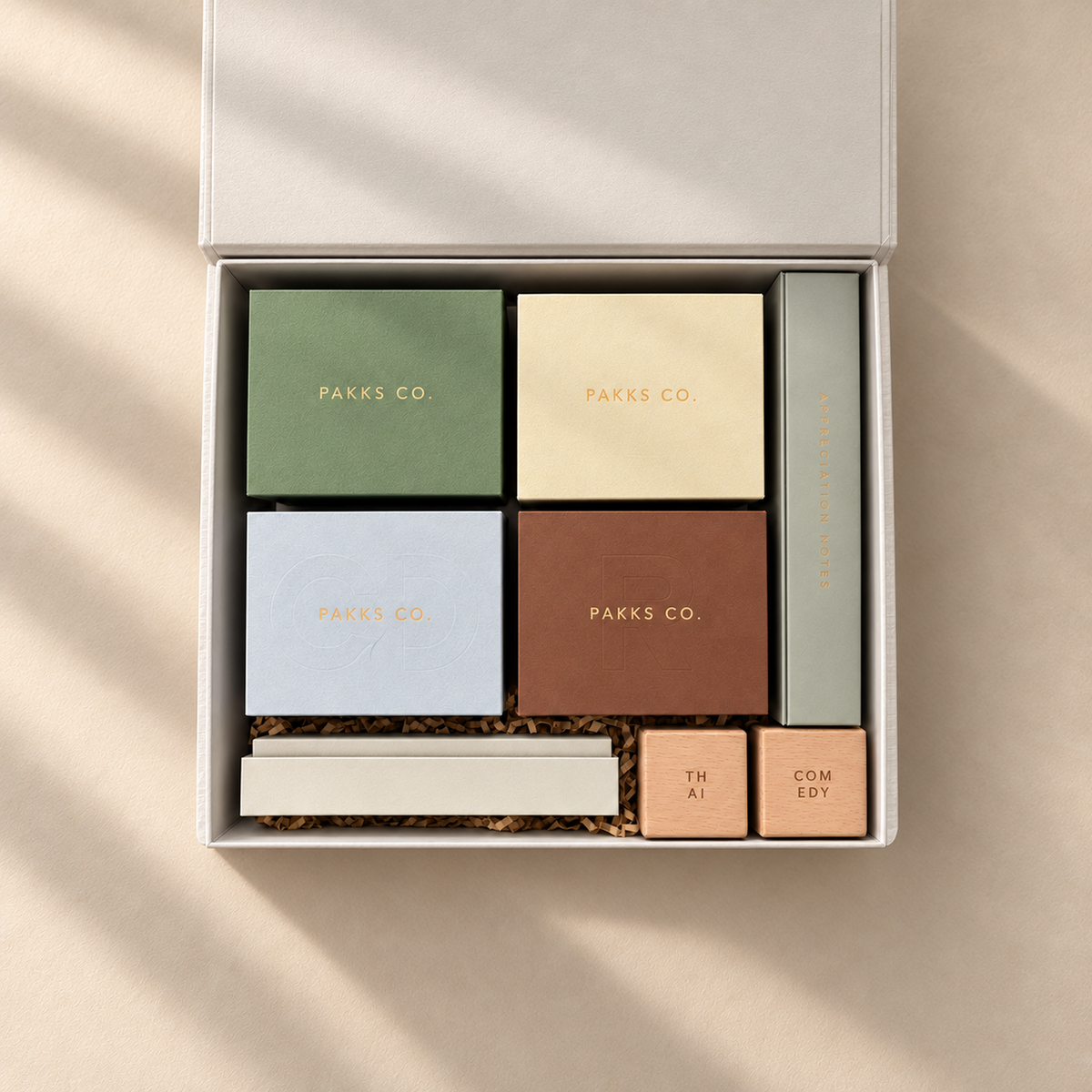
Conversation decks plus little extras, chosen for your stage. Pick a Mini, an Original, or have it all with the Ultimate.
Shop the Pakks