My partner is always on their phone: what to do before it hurts more

It's 7:40pm. Dinner's done, the plates are still on the bench, and you're both on the couch with a phone each. You mention something that happened at work and get a "mm" back, eyes still down. Somewhere in that silence you think it: my partner is always on their phone. Then you notice your own thumb moving, and the thought gets complicated.
My partner is always on their phone: what's going on
If this is happening in your house, you're in a very large club. James Roberts and Meredith David at Baylor University gave the habit a name, partner phubbing, which is using your phone while you're in the company of your partner. In their 2016 paper, published in Computers in Human Behavior, they ran two studies with 453 US adults in total. The second study had 145 people who were in relationships, and 46.3% of respondents said their partner had phubbed them. Almost a quarter, 22.6%, said it caused conflict in the relationship.
The finding that matters for your couch is this one: the more a couple's time together involved one person attending to a phone, the less satisfied the other person said they were.
What we discovered was that when someone perceived that their partner phubbed them, this created conflict.
— James A. Roberts, Baylor University, 2016
Some limits are worth knowing. The studies asked people to report on their own relationships at one point in time, so they can show that these things go together but can't prove the phone caused the unhappiness. It could run the other way: when things already feel flat, a screen is more tempting. The second study is small, it's about ten years old, and phones have only become more central since. People with an anxious attachment style were more upset by being phubbed than people with a secure style, so how much it hurts you depends partly on you, and that isn't a flaw.
The advice you'll find online for this is mostly rules: phone-free dinners, a basket by the front door, no screens in bed. Rules can help. They leave one question untouched, which is why the phone wins on an ordinary Tuesday.
Why the phone wins at 7:40pm
By evening, you've both spent a whole day dealing with other people's needs. The phone asks nothing of you. It never replies "mm". It has a new thing every ten seconds. Your partner, on the other hand, might want a real answer, and a real answer takes some energy that neither of you has left.
So the phone becomes the easy option, and the easy option has a way of becoming the default. After a few months, the quiet on the couch is just what the evening looks like. Nobody decided it. Neither of you feels great about it, and both of you assume the other one is fine.
That last part is worth sitting with. When you think "they're always on their phone", it can help to ask what they might be thinking about you. It's quite possible they're looking at the same quiet and wondering why you haven't said anything, either.
A check on your own side first
Before you say anything, spend one evening watching your own habits. Notice how often you pick up the phone in the gaps: while the kettle boils, during an ad break, when your partner leaves the room. Notice what you reach for it to avoid. Maybe it's a conversation, or maybe it's just the flatness of a long day.
You might find you're doing it as much as they are. You might find you're doing it less, in which case you can raise it with a clear head. Either way you'll be talking from what you saw.
How to bring it up without starting a fight
Timing matters more than wording. Don't raise it mid-scroll, and don't raise it right after you've been ignored, when you're at your sharpest. Pick a calm moment, ideally one with no phone in anyone's hand.
Start with what you miss
"You're always on your phone" will be heard as an accusation, and your partner will defend themselves. "I miss talking to you in the evenings" is harder to argue with. It gives them something to move toward.
Own your part first
If you've been on yours too, say so. "I know I'm just as bad" turns the conversation into something you're solving together. It's probably true for you too, and your partner will know it.
Ask for something small and specific
A big rule like "no phones at home" fails by Thursday. Ten minutes is more realistic.
What to do with the ten minutes
This is where most phone-free attempts fall over. The phones go down, and then there's a pause where neither of you knows what to say. "How was your day?" gets "fine", and one of you reaches for the screen again.
Have one real question ready. Something like: "What's something you've been thinking about lately that you haven't told me?" or "What was the best ten minutes of your week?" They're different from "how was your day" because they can't be answered with one word, and they give your partner room to say something real.
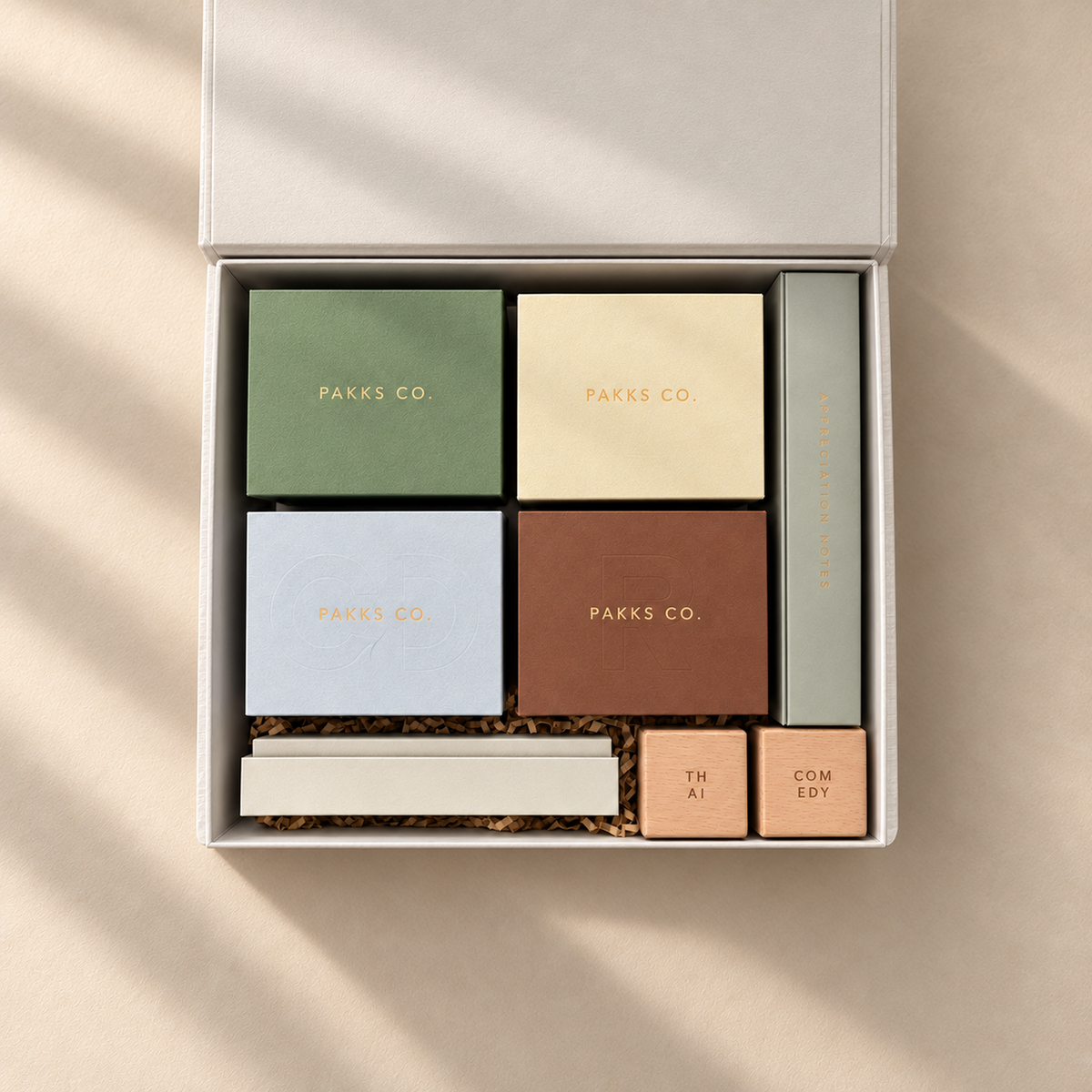
If you'd like a stack of those ready to go, I make the Reconnect Deck for couples who've gone quiet. It has 150 questions across 3 categories, backed by psychology and research. Pull one card after dinner and see where it goes. You don't have to use it to make the phone habit work, though, so if you'd rather make up your own questions, do that.
If the whole thing is starting to feel bigger than a phone problem, how to reconnect with your partner when things feel a bit off goes into the quieter patterns underneath. And if what you're really stuck on is how to say hard things at all, how to communicate better in your relationship is a practical next read.
When the phone is not the whole story
Sometimes you ask, you get your ten minutes, and the distance is still there. That tells you the phone was a symptom. The silence might be about something you haven't said to each other, like stress, resentment, a worry about money or work, or just months of tiredness stacked up.
That's a good time to talk to a couples counsellor. A counsellor can help you both say the thing under the thing, and going doesn't mean your relationship is in trouble. Some couples go because they'd like it to be better than fine.
Frequently asked questions
It's very common. In Roberts and David's 2016 study, 46.3% of respondents said their partner had phubbed them. Common doesn't mean it feels fine, though, and if it's hurting you it's worth raising.
Phubbing, short for phone snubbing, is using or being distracted by your phone while you're with your partner. Roberts and David (2016) developed a nine-item scale to measure it, and found that more phubbing was linked to lower relationship satisfaction for the person being phubbed.
Choose a calm moment and start with what you miss. Admit your own phone use, then ask for something small, like ten minutes of phones face-down after dinner.
It can help, as long as it comes with something to do or say once the phones are down. Start with a short window you can actually keep, and add a question or a card game so the pause doesn't feel awkward.
Keep the conversation going
Choose your Pakk
Conversation decks plus little extras, chosen for your stage. Pick a Mini, an Original, or have it all with the Ultimate.
Shop the Pakks